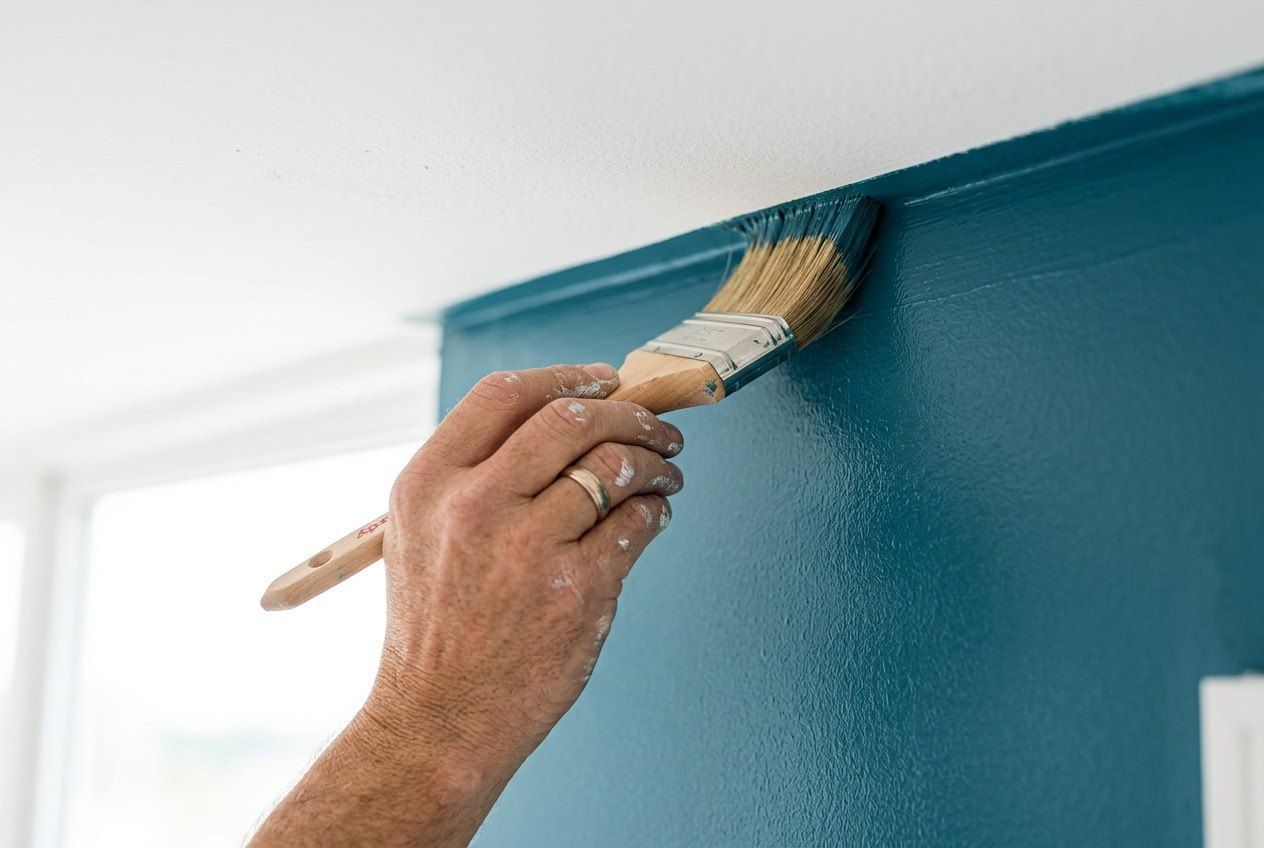
Paint
Paint Sheen Guide: Choosing Flat, Eggshell, Satin or Gloss
Sheen decides how a wall looks in raking light, how well it survives scrubbing and how it copes with humidity. Picking it by room solves most of the choice.
The sheen ladder
Sheen is a measure of how much light a dried paint film reflects. Names vary a little between brands, so compare the manufacturer's gloss description, but the common ladder from dullest to shiniest is:
- Flat. No shine. Hides wall imperfections best and touches up invisibly, but marks easily and does not stand up to scrubbing.
- Matte. Slightly more sheen than flat. Many modern "washable matte" products are much tougher than traditional flat paint.
- Eggshell. A soft, low luster. The usual choice for living rooms, bedrooms and hallways: wipeable without highlighting every flaw.
- Satin. A gentle, pearly glow. More durable and washable; good for family rooms, children's rooms and exterior siding.
- Semi-gloss. Noticeably shiny, hard and easy to clean. Standard for trim, doors, cabinets and many bathrooms.
- Gloss (high-gloss). Very shiny and very hard. Shows every imperfection; best on doors, railings and furniture where a lacquer-like finish is wanted.
The trade-off is always the same: higher sheen means more durability and washability, and less forgiveness of surface flaws.
Room by room
- Ceilings: flat. It hides joints and roller marks and avoids glare from lights.
- Living and dining rooms, bedrooms: eggshell or a washable matte.
- Hallways, stairways, children's rooms: eggshell or satin for scuff resistance.
- Kitchens: satin or semi-gloss, which wipe clean of grease.
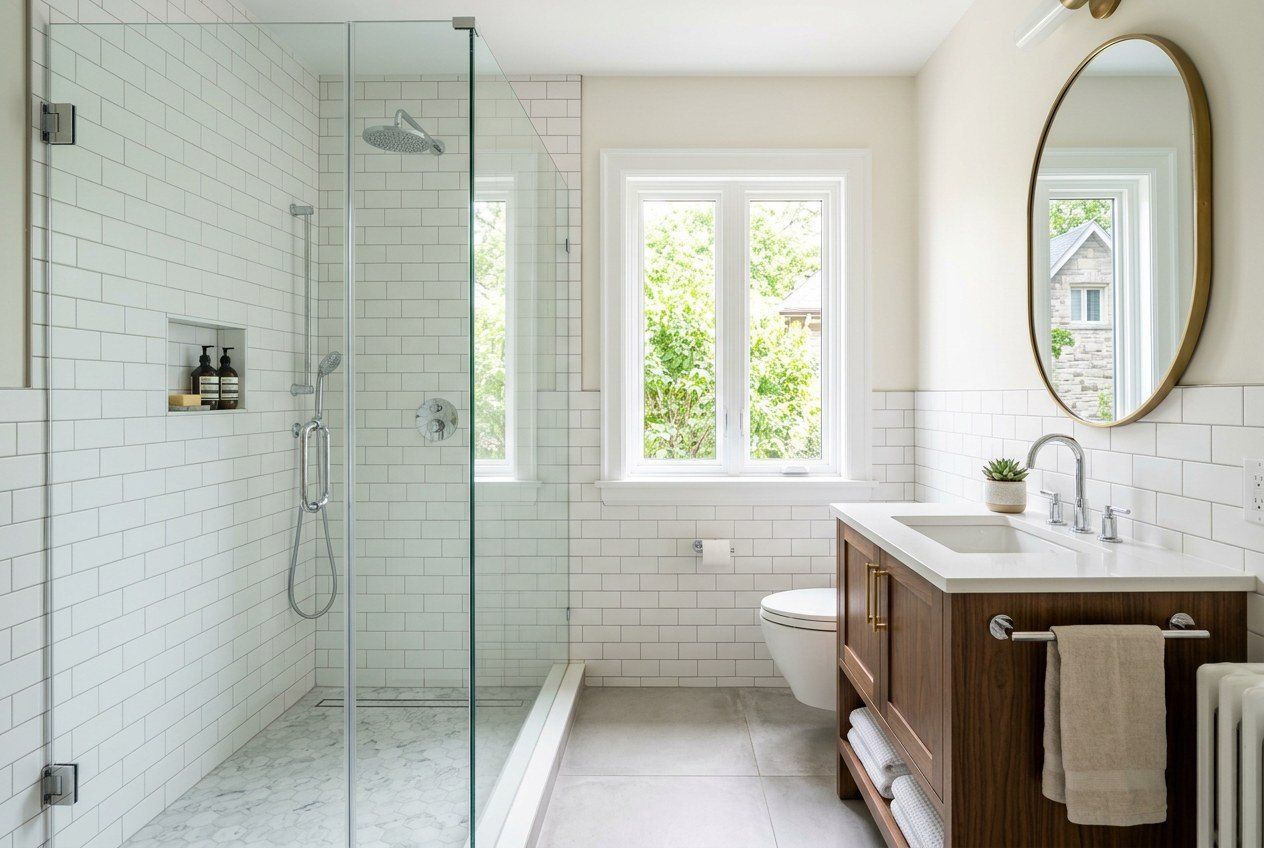
- Bathrooms and laundry rooms: satin or semi-gloss, ideally a product formulated for bathrooms with a mildew-resistant film.
- Trim, doors and cabinets: semi-gloss or gloss, often in a harder enamel or urethane-modified product.
Exterior sheens
- Lap siding, fiber cement and wood: satin is the common choice. Flat hides flaws on rough or uneven siding; higher sheens shed dirt and mildew a little better.
- Stucco and masonry: flat or low-sheen products made for masonry, which let the texture read naturally.
- Trim, fascia, shutters and doors: semi-gloss or gloss for contrast and durability.
Sheen in Gulf Coast humidity
Humidity raises the stakes in wet rooms. Steam condenses on walls and ceilings, and a soft, porous flat paint holds moisture and gives mildew a foothold. The EPA's guidance on mold is clear that controlling moisture is the real fix, so run a properly sized, vented exhaust fan during showers and for a while after. Paint helps by being cleanable: satin or semi-gloss films can be wiped down before mildew takes hold. If mildew is already present, clean it and let the surface dry fully before painting; paint over live mildew comes back through. More on wet rooms in kitchen and bath fundamentals.
Practical tips
- Keep the same sheen across a whole wall. Touching up an eggshell wall with satin will show as a shiny patch.
- Higher sheens need better prep. Fill, sand and prime carefully before semi-gloss on walls.
- Look at a sample in the room's raking light, not under store lighting. The choosing colors guide explains how strong Texas light changes what you see.
- Write down the brand, color and sheen and keep the label; it makes future touch-ups possible.
For the full process, see interior painting.
Sheen and paint quality
Sheen and quality are separate choices. A premium eggshell can be more scrubbable than a budget semi-gloss, and "washable matte" products now rival traditional eggshell for cleanability. When comparing products, check the manufacturer's data sheet for scrub resistance, stain resistance and mildew resistance in addition to the sheen name.
Changing sheen when repainting
- Going from glossy to flat: clean and lightly sand or degloss the surface so the new coat bonds, then prime if the product recommends it.
- Going from flat to glossy: fix imperfections first, because the new sheen will reveal patches, nail pops and roller texture that flat paint was hiding.
- Oil-based trim: water-based paint over old oil-based enamel needs a bonding primer. If the house was built before 1978, test or presume lead before sanding; see lead-safe painting.
Quick reference
Ceilings flat; living areas eggshell or washable matte; busy rooms satin; kitchens, baths and trim satin or semi-gloss; doors and railings semi-gloss or gloss; siding satin; stucco flat or low sheen. Adjust for your walls: older plaster with flaws looks better in lower sheens, smooth new drywall can take more shine.
Frequently asked questions
What is the most popular paint sheen for walls?
Eggshell is the most common choice for living areas and bedrooms because it is wipeable without highlighting flaws. Washable matte products are a popular alternative.
What sheen should I use in a bathroom?
Satin or semi-gloss, ideally a bathroom paint with a mildew-resistant film, plus a vented exhaust fan to control moisture.
Is satin or eggshell more durable?
Satin is slightly more durable and washable than eggshell, and shows more surface imperfections.
What sheen is best for exterior siding?
Satin is the usual choice for siding; flat suits rough or uneven surfaces and stucco; semi-gloss or gloss suits trim and doors.