Lead Safety
Lead-Safe Certified Contractors: What the EPA RRP Rule Requires
If your house was built before 1978 and a contractor will sand, scrape or cut painted surfaces, federal law requires them to be Lead-Safe Certified. Here is what that covers and how to verify it.
Why 1978 matters
Lead-based paint was banned for residential use in the United States in 1978, but it remains on walls, trim, windows and siding in millions of older homes. The EPA's "Protect Your Family From Lead" pamphlet cites surveys showing lead-based paint in most homes built before 1940 and in a smaller share of those built from 1940 to 1977. Intact paint is a limited hazard; the danger comes when it is disturbed and turns into dust and chips. Lead dust is especially harmful to young children and pregnant women, and the CDC states that no safe blood lead level in children has been identified.
What the RRP rule covers
The EPA's Renovation, Repair and Painting (RRP) rule applies to anyone paid to do work that disturbs painted surfaces in housing or child-occupied facilities (such as day care centers and schools) built before 1978. That includes painters, general contractors, carpenters, plumbers, electricians, window installers and landlords doing their own maintenance.
Covered work includes painting preparation, remodeling, repairs, window replacement, and electrical and plumbing work that cuts into painted walls. The main exceptions, per the EPA:
- Minor repair and maintenance that disturbs 6 square feet or less per room inside or 20 square feet or less outside. Window replacement and demolition of painted surfaces are always covered regardless of size.
- Components shown to be lead-free by a certified inspector or risk assessor, or by a certified renovator using an EPA-recognized test kit or lab analysis.
- Housing for the elderly or disabled and zero-bedroom units, unless a child under 6 lives there or is expected to.
- Homeowners working on their own home. The rule applies to paid work; homeowners are still urged to follow lead-safe practices.
What a certified firm must do
- Certification. The firm must be certified by the EPA (or by a state the EPA has authorized to run the program), and each job must have a certified renovator assigned, who has completed an EPA-accredited training course and keeps it current with refresher training.
- Information before work. Give the owner and occupants the EPA's Renovate Right pamphlet before work begins and keep a record that it was delivered.
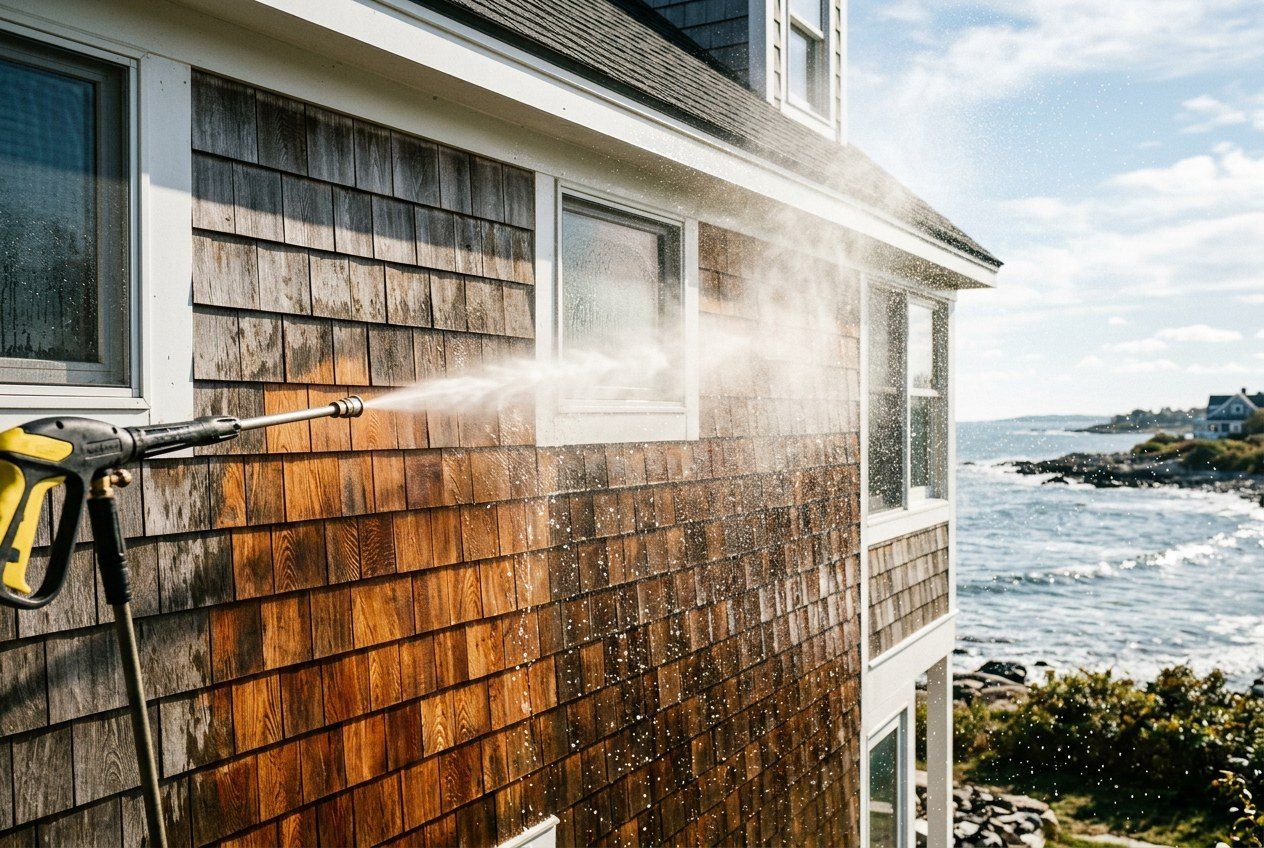
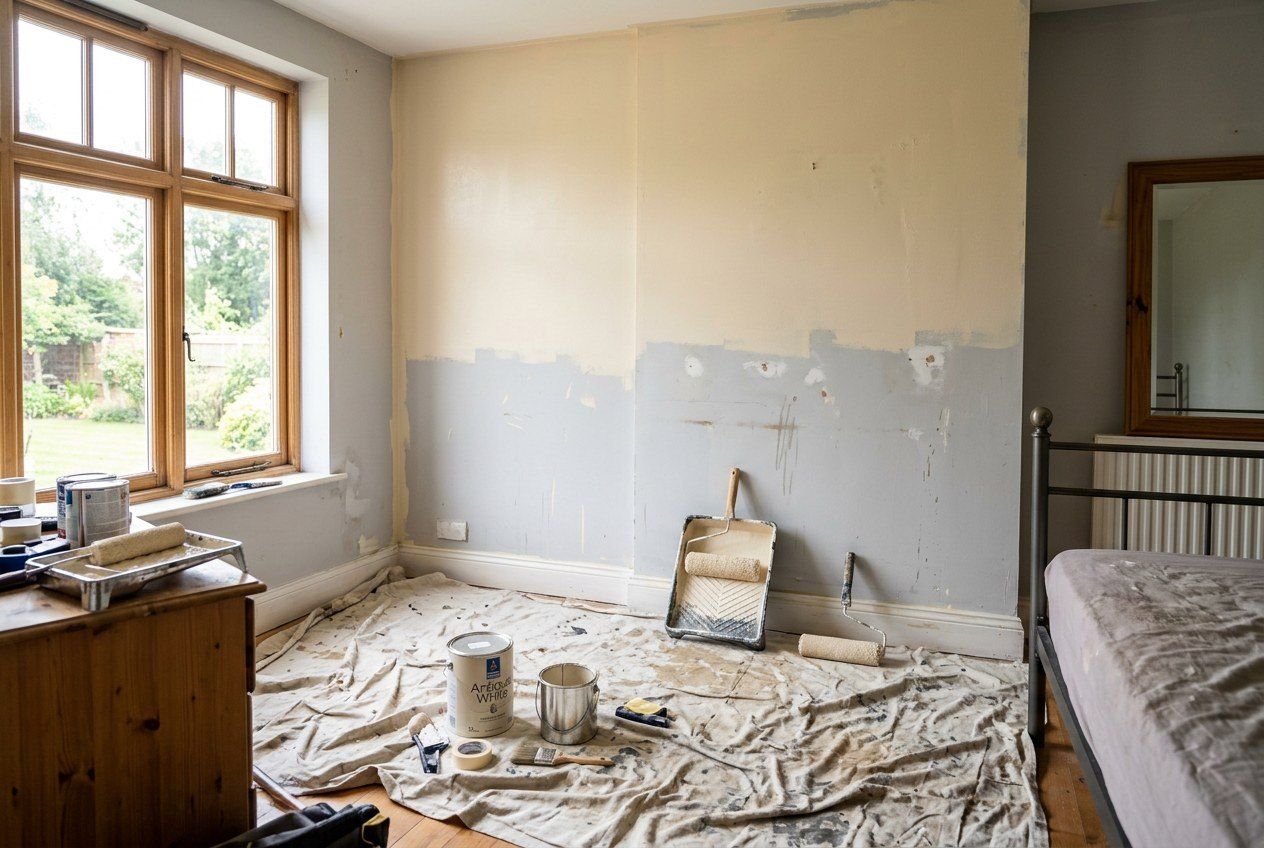
- Containment. Set up warning signs, cover floors and furniture with plastic, close and seal off the work area, and on exteriors cover the ground and keep the work area away from neighbors and play areas.
- Work practices. The rule prohibits open-flame burning or torching of paint, using heat guns at or above 1,100°F, and high-speed sanding, grinding, planing or blasting unless the tool has a HEPA vacuum attachment.
- Cleaning and verification. Clean with HEPA vacuums and wet wiping, then verify the cleaning using the EPA's cleaning verification procedure before the area is reopened.
- Records. Keep job records showing compliance for three years.
Texas has not taken over the RRP program, so certification for work in Texas is issued by the EPA. The Texas Department of State Health Services licenses lead inspectors, risk assessors and abatement contractors, which is a separate activity from renovation.
How to check a contractor
- Ask for the firm's EPA Lead-Safe certification number and the name of the certified renovator who will be on site.
- Look the firm up in the EPA's online search tool for Lead-Safe Certified firms.
- Ask how they will test or presume lead, contain the work area and verify cleaning. A certified contractor should be able to explain this without hesitation.
- Make sure you receive the Renovate Right pamphlet before work starts.
A painter who proposes to sand old exterior trim with an ordinary orbital sander, burn off paint with a torch, or skip ground covers on a pre-1978 house is not following the rule. Firms that violate it can face civil penalties from the EPA.
If you are doing the work yourself
The RRP rule does not apply to homeowners on their own homes, but lead dust does not care who made it. Test or assume the paint contains lead, mist surfaces before scraping, avoid power sanding without HEPA dust collection, contain and clean thoroughly, and keep children and pregnant family members away. The guide to testing for lead paint explains your options, and the exterior painting and interior painting guides cover prep in general.
Frequently asked questions
Does a painter need to be lead certified?
Yes, if they are paid to disturb more than the minor-repair threshold of paint in a home or child-occupied facility built before 1978, unless the surfaces have been shown to be lead-free.
What is the 6 and 20 square foot rule?
Minor repair and maintenance disturbing 6 square feet or less of paint per room inside, or 20 square feet or less outside, is exempt from the RRP rule. Window replacement and demolition are always covered.
Does the RRP rule apply to homeowners?
No, not for work on their own home. It applies to paid contractors and landlords. Homeowners should still follow lead-safe practices.
How do I verify a lead-safe certified firm?
Ask for the EPA certification number and check it in the EPA’s online search for Lead-Safe Certified firms.
Sources
- U.S. EPA: Lead Renovation, Repair and Painting Program (RRP)
- U.S. EPA: RRP Program for Contractors
- U.S. EPA: Lead-safe certified firm search
- U.S. EPA: The Lead-Safe Certified Guide to Renovate Right
- CDC: Childhood Lead Poisoning Prevention
- Texas Department of State Health Services: Environmental Lead Program